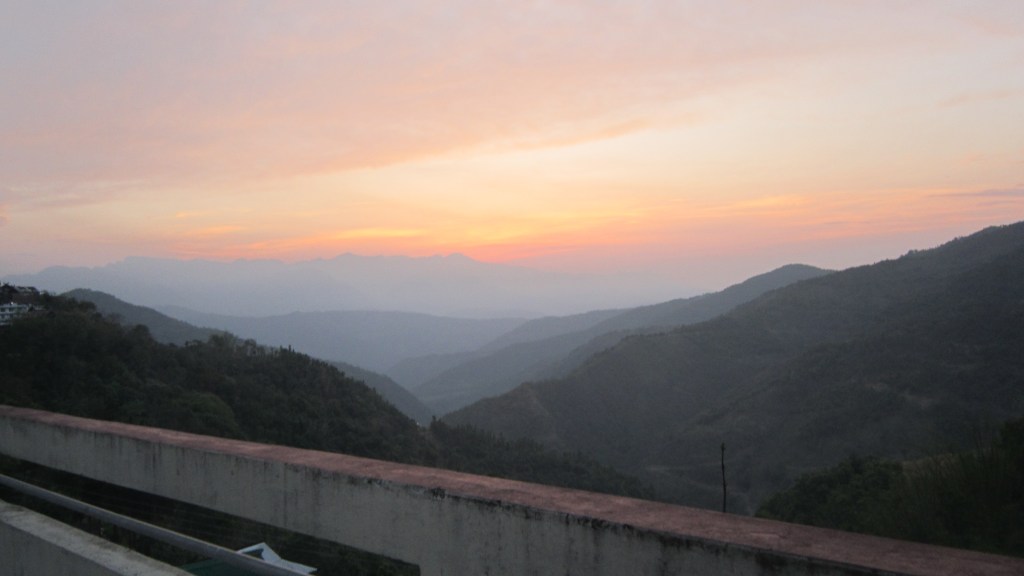
In 2017, I visited eight villages across two blocks in Nagaland, a picturesque state in north-eastern India. Apart from the serene beauty of the eastern Himalayas, the organization of the villages was noteworthy.
Each village I visited had a village council comprising five members with one woman representative. The village chief is addressed as Goan Bura. The villages had a well-maintained community hall with adequate seating facilities. The prayer place in each village had a solar water heating system installed. One village had a small stadium too. There were standposts for piped water or tube wells shared between three to six households. Each village had an Indigenous water purification plant to provide drinking water.
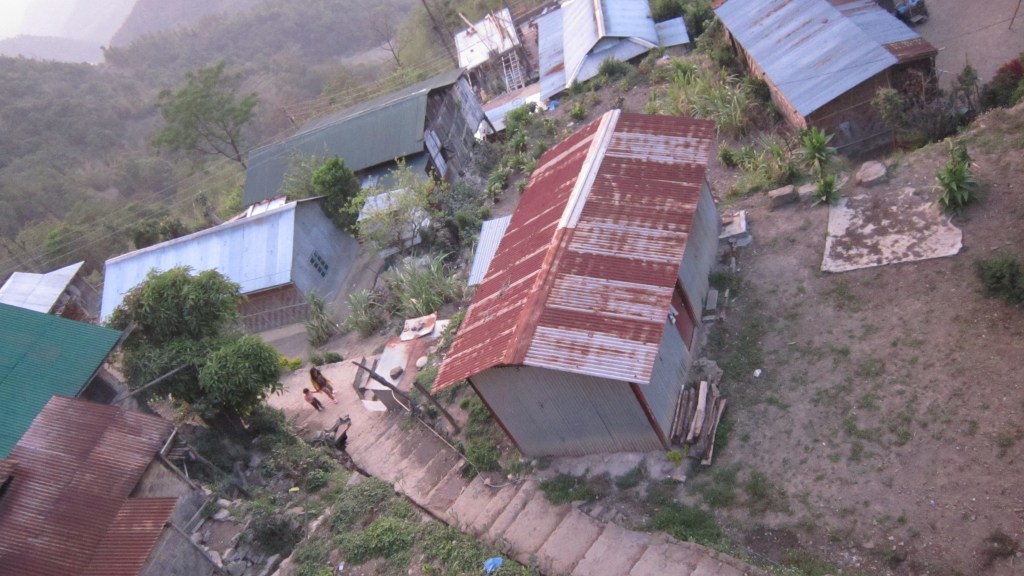
The electricity bills were charged as per the number of lights, fans, and plug points installed in the house. Paying for electricity bills was a collective effort. A village youth used to collect the electricity bill amount from all households and pay to the bill collection centre.
In four out of eight villages, Jhum cultivation was practiced. Cultivation is practiced on one hill for two to three years. And then, the land is left fallow to replenish its soil nutrients naturally. A new hill is identified for agriculture and the village council distributes the land for cultivation to all the village households in the new hill. The village now cultivates crops on the new hill for two to three years and then moves to another hill for cultivation.
The administrative and infrastructure models in the villages of Nagaland were unique and admirable. This experience was enriched with the cleanliness of the villages and the beautiful sceneries of the Himalayas.
(Views are personal and based on first-hand information through informal conversations during the visits in 2017.)


Leave a Reply