The article is about the Local Fruit Bael that is generally not commonly visible in the local fruit market.
We come across many fruits in our lives. One among them is Bael. However, I saw Bael fruit rarely in the local market wherever I traveled or lived.
Bael is a native of India and is cultivated in other countries such as Thailand, Bangladesh, Pakistan, Sri Lanka, and Burma. The tree is generally tall or of medium height. The leaves contain three to five leaflets, mostly light green. The branches are spiny. The ripened fruit is yellowish green or green in colour. The tree and fruit have many local names such as Bilva, Bael, Bel, Belo, Shivaphala, Vilva marum, Matoom, Be Li, and Bela. There might be many other names. The scientific name of the fruit is Aegle marmelos.
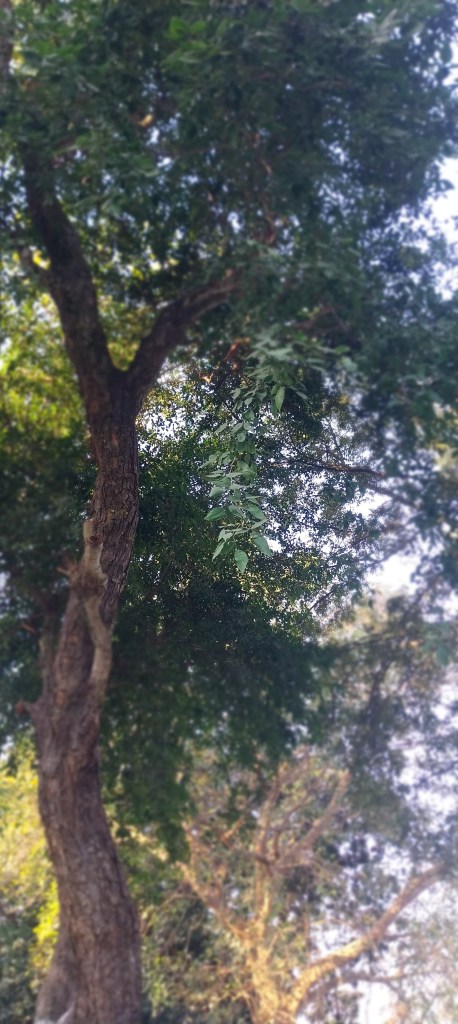
The leaves and the fruit are offered to lord Shiva during prayers. Some studies claim therapeutic values of the Bael fruit and other parts of the plant. However, a general saying in a layperson’s terms is that the fruit is good for digestion. Generally, the fruit pulp is consumed directly or in the form of juice. The nutritional values of fruit include phosphorous, potassium, iron, Vitamin C, Vitamin B and Vitamin A.

In the time of global trading, we are fortunate to come across various fruits. Amidst all, considering locally grown fruits in our fruit basket may help local cultivators or collectors earn some additional income. Reconsidering the fruit for general consumption may also help the fruit and the tree retain its importance in daily lives.
Views are personal. The article is based on the information available at the below-mentioned source.
Source: Tanmay Sarkar, Molla Salauddin, Runu Chakraborty, In-depth pharmacological and nutritional properties of bael (Aegle marmelos): A critical review, Journal of Agriculture and Food Research, Volume 2, 2020, 100081, ISSN 2666-1543, https://doi.org/10.1016/j.jafr.2020.100081.
(https://www.sciencedirect.com/science/article/pii/S2666154320300624)


 Life and Living
Leave a reply to Monica Banerjee Cancel reply